Quick answer: For bangle work, buy a wooden mandrel, not steel: hardwood gives slightly under a mallet, so you can true and reshape finished, polished pieces without wrecking the surface. An 8-inch round stepped mandrel is the default first buy for repeatable sizing; add an oval or flattened-oval former if you make bangles meant to sit comfortably for daily wear.
Ring mandrels get all the attention, but the moment you make something that goes round a wrist rather than a finger, none of that kit helps. Bangles are bigger, thinner in section relative to their diameter, and — crucially — usually finished before they need truing. That combination is why bracelet mandrels are made of wood, and why the shapes are different. Here is how to choose.
Why wood, not steel
A finished bangle is polished, sometimes stone-set, often anodised or patinated. Hammering it against a steel mandrel marks it instantly. Hardwood mandrels give slightly under a mallet blow, spreading the force and leaving the surface intact — you can true, round and dent-remove a finished piece without starting the finish again. Steel still wins for forging raw stock; wood wins for everything after that. It also takes pencil marks, which is more useful at the bench than it sounds.
Round, stepped and long
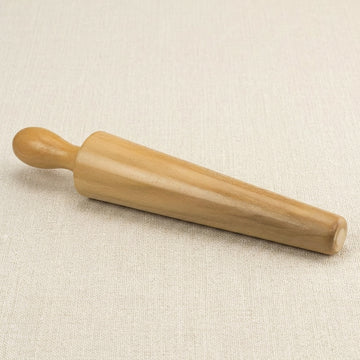
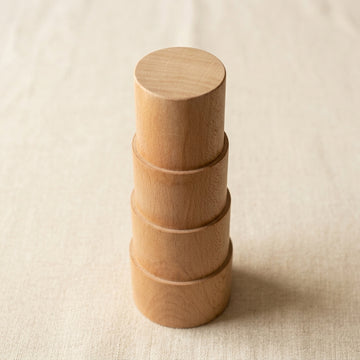
The round bangle mandrel is the workhorse: a smooth taper for opening, closing and truing circular bangles. Stepped versions — like our professional 8-inch pattern — hold defined diameters along the taper, so you can size consistently and repeat a diameter across a batch rather than eyeballing it. For larger work, a 15-inch bracelet and bangle mandrel gives a longer, gentler taper: more room for big diameters and easier to clamp in a vice with the tang.
Oval and flattened-oval formers
Most wrists are not round, and neither are most comfortable bangles. Oval mandrels — including stepped oval sets with a turned tang and a flattened oval pattern — let you form and true a bangle that sits properly on an oval wrist instead of rocking. They are also the right tool for reshaping a piece that has been squashed, since you can work the flat sections and the ends separately. If you make bangles to sell, an oval former is what makes them comfortable enough to be worn daily.
Working technique in three lines
Use a rawhide or nylon mallet, never a steel hammer, on a finished piece. Work the bangle around the mandrel a little at a time, rotating constantly rather than hammering one spot — that is what keeps it round instead of egg-shaped. And size up gradually: opening a bangle on a taper is easy, closing it again is not.
Sizing beyond the mandrel
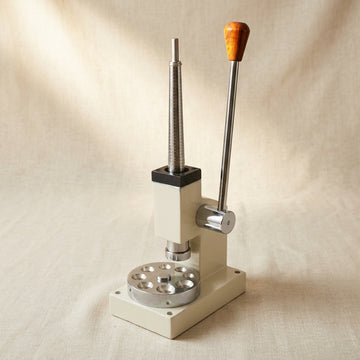
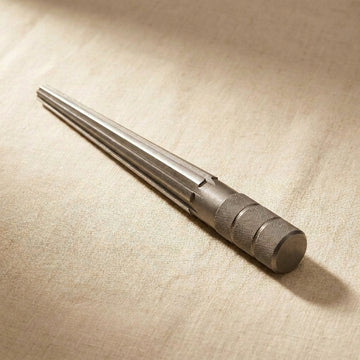
Two neighbours in the same range are worth knowing about. A ring sizing machine (stretcher/reducer) handles precise ring alterations that a mandrel and mallet cannot; and for wax work, a steel wax reamer — including a jumbo 9-inch pattern — cuts and sizes the inside of a wax ring cleanly before casting. Different jobs, same shelf.
Choosing in one line each
- Round stepped, 8 inch: the default first bangle mandrel — repeatable sizes, bench-friendly length.
- Large 15 inch round: big diameters and heavier forming, clamps well in a vice.
- Oval / flattened oval: comfort-shaped bangles and reshaping squashed work.
- Steel ring mandrel: still the right tool for rings — see our ring mandrel guides below.
All mandrels above ship from UK stock with same-day dispatch before 2pm — browse the mandrels and ring-sizing range below.
Related guides
- Shop Mandrels & Ring Sizing →
- How to Choose a Ring Mandrel: A UK Jeweller's Buying Guide
- Best Ring Mandrels for UK Jewellery Studios
- Forming Stakes & Mini Anvils for Silversmiths
Frequently asked questions
Which bangle mandrel should I buy first?
An 8-inch round stepped hardwood mandrel: the steps hold defined diameters along the taper, so you can size consistently and repeat a diameter across a batch rather than eyeballing it. Move to a 15-inch bracelet mandrel for big diameters and heavier forming in a vice, and to an oval former once you make bangles for daily wear.
Why are bracelet mandrels made of wood rather than steel?
Because bangles are usually finished — polished, stone-set, anodised or patinated — before they need truing. Hardwood gives slightly under a mallet blow, spreading the force and leaving the surface intact, so you can round and dent-remove without starting the finish again. Steel still wins for forging raw stock; wood wins for everything after that.
How do I true a bangle without denting it?
Use a rawhide or nylon mallet, never a steel hammer, on a finished piece. Work the bangle around the mandrel a little at a time, rotating constantly rather than hammering one spot — that is what keeps it round instead of egg-shaped. And size up gradually: opening a bangle on a taper is easy, closing it again is not.