Quick answer: If you only buy one ring mandrel, choose a tapered hardwood one — it will not mark polished rings and supports sizing and finishing across most jobs. If you form or true bands with a hammer, add a polished steel mandrel; a wood-and-steel pair costs under £30. Check the engraving shows UK A–Z sizes before you buy.
A ring mandrel is the tool your rings are born on — sized, formed, trued, polished, and final-fitted. Pick the wrong one and you'll leave tool marks on finished work, size inconsistently, or waste time switching between mandrels mid-job. This guide covers what actually matters when you're choosing one for a UK bench. For a small-studio buying sequence with 2026 pricing, see the companion guide: Ring Mandrels for Small UK Studios 2026 — What to Buy First.
Start with what you're doing on it
Mandrels split roughly into three jobs:
- Sizing — measuring the diameter of a finished ring against a scale marked in UK (A–Z) or US (1–13) sizes.
- Forming — hammering or pressing a half-formed band around the mandrel to true it up or bring it to size.
- Polishing and finishing — supporting the ring while you file, sand, or polish without marking the inside.
One mandrel can do all three, but the compromises are real. If you only buy one, go for a tapered hardwood mandrel — it won't mark polished surfaces and supports most jobs. If you're forming a lot, add a steel one for the hammer work.
Wood vs steel: the actual trade-off
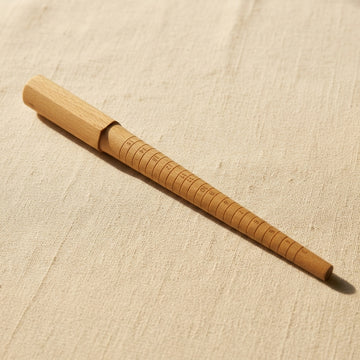
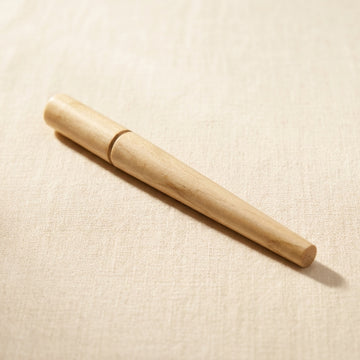
Wooden ring mandrels are softer than your ring metal — silver, gold, copper, brass. That's the whole point. Wood will take the marks, your ring won't. The downside: wood compresses slightly under hammer work, so it's not the tool for truing a forged band.
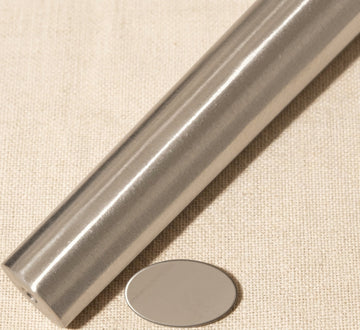
Steel mandrels (usually polished or chrome-plated) are the forming tool. Hammer against them all day. They're accurate, they don't deform. But one careless hammer blow on a polished ring leaves a visible mark on the inside.
Most working jewellers end up with both: steel for forming, wood for finishing. It's not overkill.
Tapered vs stepped
A tapered mandrel is one continuous cone, marked with size graduations along its length. Smooth to work with, easy to hammer around.
A stepped mandrel has discrete cylindrical steps at specific sizes. Better when you need absolute repeatability — for instance, a workshop making ten identical size-M bands. Harder to form on because the steps catch.
If you're picking one, tapered is the more forgiving choice.
UK sizing vs US sizing
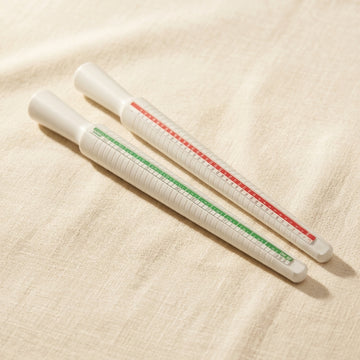
UK ring sizes run alphabetically (A through Z, plus half sizes). US uses numbers. A good mandrel will show both scales, so you can work with international customers without a conversion chart on hand. Check the engraving before you buy — the cheap mandrels skip UK markings.
Size range
A 7-inch (178 mm) mandrel typically covers UK sizes A through Z+ (roughly US 1 to 13). That's enough range for almost any commission. If you specialise in wide bands or men's rings you may want a longer mandrel; if you're a bead-setter mostly working small sizes, length matters less.
Common mistakes
- Using a steel mandrel for final polishing. Even a light burnish transfers marks. Switch to wood before the last finishing pass.
- Hammering on a bare polished mandrel without protection. Steel-on-steel work-hardens your ring metal fast. Move it frequently, or use a rawhide mallet against a strip of leather between ring and mandrel for gentler forming.
- Buying one mandrel and expecting it to do everything. It's cheaper upfront but slower forever. A wood + steel pair costs under £30 and saves hours over a year.
What we stock
Toolsmith stocks tapered hardwood and solid steel ring mandrels. The size markings on the sizing mandrels we stock are US number sizes, not UK letter sizes, so check the scale before you buy. Free UK delivery on every order; we aim to dispatch orders placed before 2pm UK time, Monday to Friday, the same working day.
Questions about which mandrel suits your work? Email info@toolsmithltd.co.uk — we answer bench-to-bench.
Related guides
- Best Ring Mandrels for Small UK Jewellery Studios (2026 Guide)
- Setting Up a Jewellery Bench on a Student Budget (UK, 2026)
- Bangle & Bracelet Mandrels: Wooden, Oval & Stepped Formers
Frequently asked questions
Which ring mandrel should I buy first — wood or steel?
Buy a tapered hardwood mandrel first. Wood is softer than silver, gold, copper or brass, so the mandrel takes the marks rather than your ring, and it handles sizing, polishing and most everyday jobs. If you form or true bands with a hammer, add a polished steel mandrel — most working jewellers end up with both.
What is the difference between a tapered and a stepped ring mandrel?
A tapered mandrel is one continuous cone with size graduations along its length — smooth to work with and easy to hammer around. A stepped mandrel has discrete cylindrical steps at set sizes, giving absolute repeatability for batch work, but the steps catch during forming. If you are only buying one, tapered is the more forgiving choice.
What size range should a ring mandrel cover for UK work?
A 7-inch (178mm) mandrel typically covers UK sizes A through Z+ — roughly US 1 to 13 — which is enough range for almost any commission. Check the engraving shows both UK letter and US number scales before buying, as cheap mandrels often skip the UK markings. Wide bands or men's rings may justify a longer mandrel.