Quick answer: There is no single best DE blade — sharpness and smoothness suit different beards and skin — so buy a variety or sample pack first, shave a week or two with each brand, then buy your favourite in bulk. Expect three to seven shaves per blade, change it the moment it tugs, and collect spent blades in a blade bank.
The blade is the cheapest part of a wet shave and the part that most changes how it feels. Two blades in the same razor, with the same lather, can feel completely different — one effortless, the other harsh. This UK guide explains what a double-edge (DE) blade is, what "sharp versus smooth" really means, how long a blade lasts, and how to load, store and dispose of blades safely.
What a DE blade is
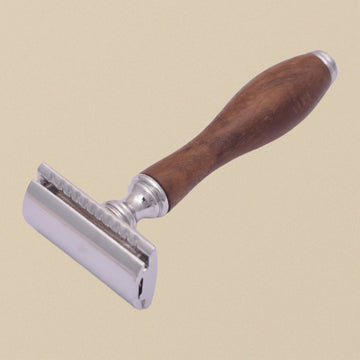
A double-edge blade is a thin, flexible steel blade sharpened on both long edges, clamped in the razor head so a sliver of each edge is exposed. Because both edges cut, you can use all four corners across a shave by flipping the razor. They fit virtually every standard DE safety razor — the format is universal, which is part of the appeal.
"Sharp" versus "smooth"
Reviewers describe blades on two axes:
- Sharpness — how easily the blade cuts. A very sharp blade powers through coarse, dense beard with fewer passes.
- Smoothness — how forgiving and comfortable it feels on the skin.
The best blade is the one that balances the two for your beard and skin. Someone with a heavy beard may want maximum sharpness; someone with sensitive skin or learning their angle may prefer a smoother, more forgiving blade even if it asks for an extra pass. There is no single "best" blade — only the best blade for you.
Why a sample pack is the smart first buy
Because blade preference is so individual, experienced shavers almost always start with a sample of several brands rather than committing to a hundred of one. Shave a week or two with each, note how each felt, then buy in bulk once you've found your match. It's the cheapest experiment in shaving and it transforms results far more than a pricier razor would.
How long does a blade last?
Typically three to seven shaves, depending on the blade, your beard's coarseness and your technique. The signal to change isn't a number — it's feel. A fresh blade glides; a spent one tugs, skips and asks you to press (which causes irritation). The moment a blade starts to pull, change it. They cost pennies, so there's no reason to push a tired one.
Loading a blade safely
Handle blades by the short, unsharpened ends only. For a three-piece razor, sit the blade over the locating posts on the base plate, add the top cap and tighten the handle until snug — not over-tightened. For a butterfly (twist-to-open) razor, drop the blade into the opened doors and close. Check the blade sits centred and even on both sides before you shave.
Storage and disposal
- Storage: keep blades dry in their wrappers; humidity dulls and spots steel. Rinse and dry the in-use blade with the razor so it lasts its full life.
- Disposal: never put loose blades in household or recycling bins. Collect spent blades in a blade bank (many razors and blade tins double as one) or a sharps container, and dispose of it per your local UK council's sharps guidance.
What to buy first
Buy a variety/sample pack of DE blades alongside your razor, find your favourite over a couple of weeks, then buy that one in a larger tin. Keep a blade bank by the sink from day one.
Browse our shaving and barber range, and pair this with the razor and brush guides below.
Related guides
- Shop Shaving & Barber supplies →
- Wet Shaving with a Safety Razor: A UK Starter Kit Guide
- Shaving Brushes & Stands: Horse Hair, Badger & Care
Frequently asked questions
Which double-edge razor blades should I buy first?
Start with a variety or sample pack of several brands rather than a bulk box of one. Blade preference is highly individual — a blade that feels effortless on one face feels harsh on another — so shave a week or two with each, note how it felt, then buy your favourite in a larger tin. It's the cheapest experiment in shaving.
How many shaves does a DE blade last?
Typically three to seven shaves, depending on the blade brand, your beard's coarseness and your technique. Go by feel rather than counting: a fresh blade glides, while a spent one tugs, skips and tempts you to press — which causes irritation. Change it as soon as it starts to pull; blades cost pennies, so never push a tired one.
How do I dispose of used razor blades safely in the UK?
Never put loose blades in household or recycling bins. Collect spent blades in a blade bank — many razor tins and dedicated containers double as one — or a sharps container, and dispose of the full container according to your local council's sharps guidance. Store unused blades dry in their wrappers, as humidity dulls and spots the steel.