Quick answer: For most people, a horse-hair shaving brush with a 20–22 mm knot, dried bristles-down on a stand, is the ideal first buy — softer than boar, with good backbone and water retention, at a sensible price. Badger is the luxury option; synthetics suit vegans, allergy sufferers and travel. The stand isn't optional: drying on the knot is what ruins brushes.
The brush is the quiet hero of a traditional shave. It hydrates the soap, whips it into a warm, cushioning lather, and — just as importantly — lifts each hair away from the face so the blade can cut it cleanly. Get the brush right and everything downstream improves. This UK guide compares hair types, explains knot size and why a stand matters, and shows you how to break in and care for a brush so it lasts for years.
Why use a brush at all?
Three reasons: it works water into the soap to build a slick, protective lather; it exfoliates lightly and lifts the hairs upright for a closer cut; and it warms and softens the beard as you paint the lather on. Canned foam does none of this well, which is why wet shavers swear by a brush.
Hair types compared
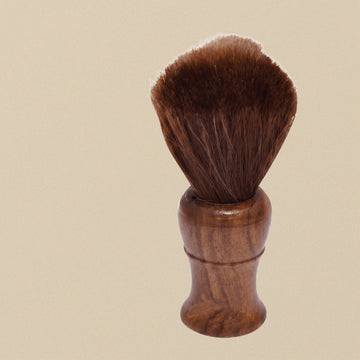
- Horse hair — an excellent value choice and a traditional favourite. It sits between boar and badger: softer than boar, with good backbone and water retention, and it's a cruelty-conscious option as the hair is gathered from mane and tail. A great everyday brush.
- Badger — the classic luxury hair, sold in grades (pure, best, super, silvertip). Higher grades are softer at the tips with superb water retention; backbone varies by grade. Lovely, but the premium option.
- Boar — stiff and scrubby at first, softening with use; cheap and great for face-lathering hard soaps.
- Synthetic — modern fibres that dry fast, never shed, lather quickly and suit vegans and those with allergies. The most low-maintenance choice.
Knot size, loft and handle
- Knot size (the diameter of the hair bundle) — a 20–22 mm knot is a versatile all-rounder; larger knots hold more lather for bowl-lathering, smaller knots give more control for face-lathering.
- Loft (how far the hair stands out of the handle) — a lower loft has more backbone and scrub; a higher loft feels softer and floppier.
- Handle — choose one that balances comfortably in a wet hand. Weight and shape are personal; grip is not.
Why a stand matters
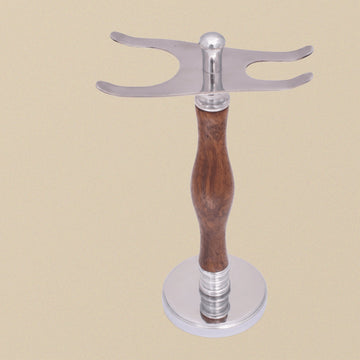
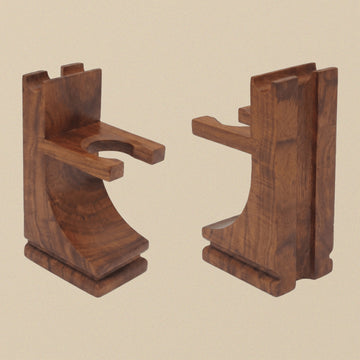
A shaving brush should dry bristles-down, hanging from a stand, never sitting on its base. Standing it on the knot traps water against the glue knot and inside the handle, which over time loosens the knot and can cause mildew. A stand lets water drain out of the bristles and air circulate, which is the single biggest factor in how long a brush lasts. Many stands also cradle a razor, keeping the whole kit tidy and drying.

Breaking in a new brush
Natural-hair brushes — especially boar and some horse — improve over the first few weeks as the tips soften and split. Before first use, rinse the brush in warm water to clear loose hairs (a little shedding at first is normal). Lather a few times and you'll feel it bloom. Synthetics are ready from the first shave.
Care so it lasts
- Rinse thoroughly in warm water after every shave until the water runs clear — leftover soap dries out the hair.
- Shake out the excess water gently and reshape the knot to a point.
- Hang to dry bristles-down on the stand, away from direct heat (a radiator dries hair brittle).
- Deep-clean occasionally with a little brush shampoo or a vinegar rinse to clear soap scum, especially in hard-water areas.
What to buy first
For most people a horse-hair brush with a roughly 20–22 mm knot, on a stand, is the ideal first purchase — soft enough to be pleasant, with enough backbone to build great lather, at a sensible price. Add a synthetic for travel (it dries fast) if you shave away from home.
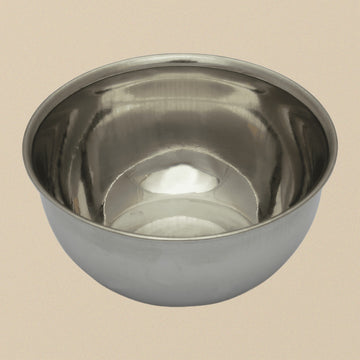
Browse the shaving and barber range to find a brush, bowl and stand, and complete the picture with the guides below.
Related guides
- Shop Shaving & Barber supplies →
- Wet Shaving with a Safety Razor: A UK Starter Kit Guide
- Double-Edge Safety Razor Blades Explained
Frequently asked questions
What shaving brush should I buy first?
A horse-hair brush with a roughly 20–22 mm knot is the best first purchase for most people: soft enough to be pleasant, with enough backbone to build a good lather, and sensibly priced. Buy a stand at the same time so the brush can dry bristles-down, and add a fast-drying synthetic later if you travel.
Do I really need a stand for a shaving brush?
Yes — it is the single biggest factor in how long a brush lasts. Standing a brush on its base traps water against the glue knot and inside the handle, which loosens the knot over time and can cause mildew. Hanging it bristles-down on a stand lets water drain and air circulate; many stands hold the razor too.
How do I care for a horse-hair or badger shaving brush?
Rinse thoroughly in warm water after every shave until the water runs clear, shake out the excess, reshape the knot to a point and hang it bristles-down to dry away from direct heat. Natural hair softens over the first few weeks of use, and an occasional deep-clean with brush shampoo or a vinegar rinse clears soap scum in hard-water areas.