Quick answer: For a small flock, 12-inch double-bow hand shears cover dagging and tidying, and serrated foot-rot shears are the safer hoof choice because they grip dry horn. But trim less than you think: current UK best practice has moved away from routine foot trimming — treat promptly, disinfect blades between animals, and agree a flock plan with your vet.
Two jobs dominate the small-flock toolbox: taking wool off, and keeping feet right. Both are done with deceptively simple hand tools that have barely changed in a century — and in the case of foot work, the advice around the tool has changed far more than the tool itself. Here is what to buy, and what current UK thinking says about how much trimming you should actually be doing.
Double-bow hand shears
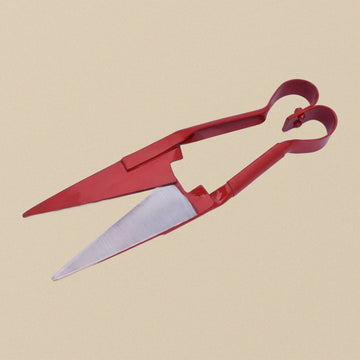
Traditional double-bow shears are a single piece of sprung steel: squeeze to cut, release and the bow opens them again. Our 12-inch pattern is the classic size, equally at home dagging, trimming around the head and tail, tidying a show sheep — and clipping topiary and box hedge. For a handful of sheep they are all you need; for a full flock clip, hand shears are a supplement to machine shearing rather than a replacement.
Judge them on the steel and the spring. The blades should close along their whole length with no light between them, the points should meet cleanly, and the bow should return the blades briskly without needing a wrestle. A pair that arrives sharp and holds a hollow-ground edge will keep working for years with a light touch on a stone.
Hoof shears: serrated versus plain
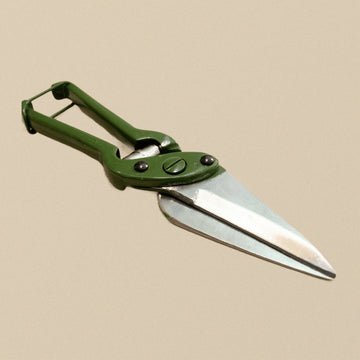
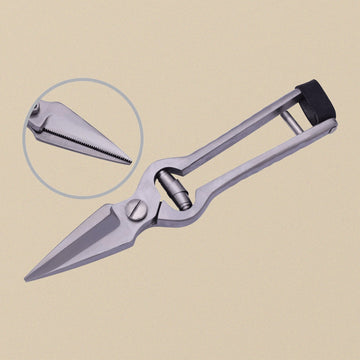
Foot work uses a short, stout scissor with curved blades — often called foot-rot shears. The choice that matters is the blade edge. Serrated blades grip the horn and resist skidding on hard, dry feet, which makes them the safer choice for most keepers; plain polished blades give a cleaner slice through soft horn and are easier to re-sharpen. Ours come in serrated green- and black-handled patterns and a polished steel version. Whichever you pick, the return spring and the joint tension do more for your hands over a hundred feet than the branding does.
How much trimming — the important bit
Received wisdom used to be that lame sheep needed their feet paring back. Current UK best practice has moved decisively away from routine trimming, particularly for footrot: over-trimming exposes sensitive tissue, delays healing and can spread infection between animals on the blades. The modern approach — the widely adopted Five Point Plan — leans on prompt treatment, culling repeat offenders, quarantine, vaccination and avoiding unnecessary trimming altogether.
That does not make the shears redundant. They remain the right tool for genuinely overgrown horn, for tidying a misshapen claw, and for the occasional foreign body. It just means the honest advice with a new pair of shears is: trim less than you think, disinfect between animals, and talk to your vet about a flock plan rather than reaching for the shears every time something limps.
Heavier work: pin cutters and nippers
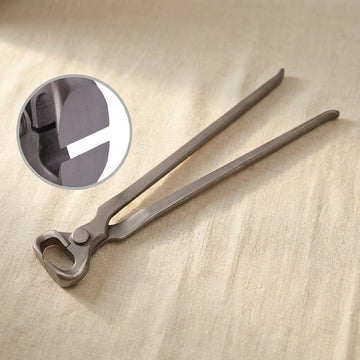
Where horn is genuinely thick — overgrown feet, or working on larger stock — a 12-inch farrier hoof pin cutter gives the leverage a hand shear cannot. Ours is a heavy-duty stainless pattern with long handles and short, stout jaws, which is exactly the geometry you want: mechanical advantage where it counts and a jaw short enough to place accurately.
Care between uses
- Clean and disinfect after every session — foot bacteria travel on blades.
- Dry thoroughly and oil the joint; sheep work is wet work and even good steel will spot.
- Touch up on a fine stone rather than grinding; keep the original bevel.
- Check the spring and pivot bolt at the start of each season, not halfway through the flock.
Everything above ships from UK stock with a same-day dispatch target for orders before 2pm Mon–Fri — browse the farrier and veterinary range below.
Related guides
- Shop Farrier & Veterinary Tools →
- UK Farrier Hoof Knife Buying Guide: Curved, Loop & Inside
- Farrier Rasps: A UK Buying Guide
- Farrier Tool Maintenance: A Weekly Routine
Frequently asked questions
What hoof shears should I buy for sheep — serrated or plain-bladed?
Serrated blades grip the horn and resist skidding on hard, dry feet, which makes them the safer choice for most keepers. Plain polished blades give a cleaner slice through soft horn and are easier to re-sharpen. Either way, judge the pair on its return spring and joint tension — those do more for your hands over a hundred feet than branding does.
Should I routinely trim my sheep’s feet?
No — current UK best practice has moved decisively away from routine trimming, particularly for footrot: over-trimming exposes sensitive tissue, delays healing and can spread infection between animals on the blades. Keep shears for genuinely overgrown horn, misshapen claws and foreign bodies, disinfect between animals, and talk to your vet about a flock plan.
Are hand shears enough to shear a whole flock?
For a handful of sheep, 12-inch double-bow shears are all you need — dagging, trimming around the head and tail, tidying a show sheep. For a full flock clip they are a supplement to machine shearing rather than a replacement. Judge a pair on steel and spring: blades should close along their whole length with no light showing between them.