Quick answer: Buy both, for different jobs: one pair of curved manicure scissors in stainless steel for precision trimming, plus a quality nail nipper for the thicker nails scissors struggle with. Check the blades meet along their whole length with no daylight — a gap crushes rather than cuts. Add cuticle scissors and a straight pair as your work demands.
Scissors or nippers? It's the question every new nail technician asks, and the honest answer is "both, for different jobs." Manicure scissors and nail nippers each cut nails and skin, but they do it with different geometry, control and force. Choose the wrong one for a task and you get ragged edges, crushed nails or sore skin. This UK buyer's guide explains where each tool wins, what separates good steel from disposable steel, and how to keep an edge sharp for years.
Manicure scissors: curved versus straight
Manicure scissors are small, fine-bladed scissors built for precision rather than power. The two shapes you'll meet are:
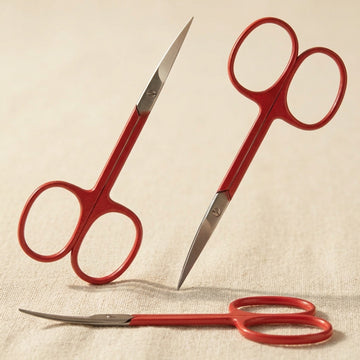
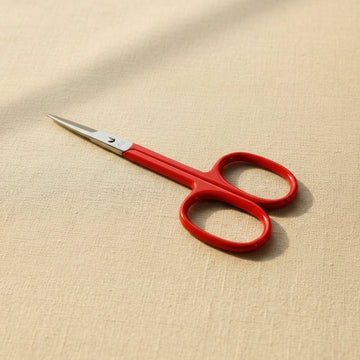
- Curved blades — the most popular all-rounder. The curve follows the natural arc of the nail and the cuticle line, so they trim fingernails, neaten skin and snip stray cuticle tags with one tool. If you buy one pair, buy these.
- Straight blades — better for cutting in a clean straight line, deliberate length reduction, and craft tasks. Many techs keep a straight pair purely for precise tip work.
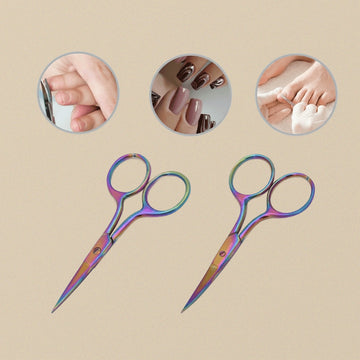
A sub-category worth knowing is cuticle scissors (sometimes "baby scissors"): tiny, sharply curved blades made only for snipping cuticle and hangnails, never the nail plate. Their fine tips reach places a nipper jaw can't.
Nail nippers: when force wins
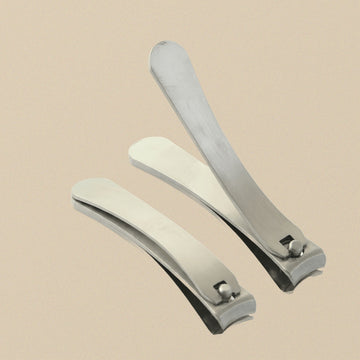
A nail nipper is a sprung, plier-style cutter. Where scissors slice, a nipper bites — its short, strong jaw and spring return give far more cutting force in a controlled bite. That makes nippers the better choice for thicker fingernails, for clients with reduced hand strength, and for anyone who finds scissors fiddly. The trade-off is reach and finesse: a nipper is less suited to delicate skin work than a fine pair of cuticle scissors.
(For thick toe nails and podiatry work, you want a heavier dedicated tool — covered in our toe-nail nippers guide below — not a manicure nipper.)
How to judge blade quality
The whole job of these tools is a clean shearing cut, and that depends on three things:
- Edge meeting: hold the closed blades up to a light. The cutting edges should meet along their entire length with no daylight between them. Any gap means the tool crushes before it cuts.
- Steel grade: hardened stainless steel holds a fine edge and survives repeated sterilising without pitting. Soft, stamped steel dulls within weeks.
- Pivot/joint: the screw or rivet should give smooth, wobble-free action. A loose pivot makes blades slide past each other instead of shearing.
Sizes and what they mean
Manicure scissors are usually 3.5 to 4 inches. Shorter blades give more control for cuticle and detail work; slightly longer blades cut nail length faster. Nippers are described by jaw size — a half jaw for general tidying, a fuller jaw for cutting more in one pass.
Sharpening and care
Quality manicure scissors can be professionally sharpened many times — another reason to buy good steel once rather than replacing cheap pairs. Between sharpenings: wipe blades dry after use to prevent moisture sitting in the pivot, put a drop of oil on the joint occasionally, and never use nail scissors on paper, tape or anything but nails and skin. Sterilise between clients exactly as you would a nipper.
What to buy first
Start with one pair of curved manicure scissors in good stainless steel and a quality nail nipper. That covers fingernail length, edge tidying and the heavier nails scissors struggle with. Add cuticle scissors when you want finer skin work, and a straight pair if you do a lot of precise tip shaping.
Browse our manicure scissors and nippers, and see how they fit alongside pushers and trimmers in the guides below.
Related guides
- Embroidery & Fancy Scissors: A UK Maker's Guide
- Shop Manicure & Nail Care tools →
- Cuticle Tools Explained: Pushers, Nippers & Trimmers
- Toe-Nail Nippers & Clippers: A UK Podiatry & Chiropody Guide
- Beauty & Nail Tools: A UK Technician's First Professional Kit
Frequently asked questions
Which should I buy first — manicure scissors or nail nippers?
Honestly, both — they do different jobs. Start with curved manicure scissors in good stainless steel, whose blades follow the nail's natural arc for precise trimming, plus a quality nail nipper for thicker nails and clients with reduced hand strength. Scissors slice with finesse; a sprung nipper bites with force. Together they cover length, edge tidying and heavier nails.
Are curved or straight manicure scissors better?
Curved blades are the most popular all-rounder: the curve follows the natural arc of the nail and cuticle line, so one tool trims fingernails, neatens skin and snips stray cuticle tags. Straight blades cut a clean, deliberate line and suit precise tip work. If you buy only one pair, buy curved — add a straight pair later for detailed shaping.
How can I tell good manicure scissors from cheap ones?
Three checks: hold the closed blades to the light — the cutting edges should meet along their entire length with no daylight, because any gap crushes before it cuts; the steel should be hardened stainless steel, which holds an edge and survives sterilising without pitting; and the pivot should move smoothly with no wobble. Good steel can be professionally resharpened many times.