Quick answer: High-carbon Damascus will rust unless you wipe it clean and dry it fully after every use, then apply a thin coat of oil — food-safe mineral or camellia oil for kitchen blades, inhibitor oils or Renaissance Wax for workshop tools. A stable grey-blue patina is protective and worth keeping; orange-red rust is destructive and should be lifted immediately with a bicarbonate paste or #0000 steel wool.
Why Damascus Steel Rusts: High-Carbon vs. Stainless
The intricate, layered patterns of Damascus steel are its defining characteristic. This unique beauty, however, comes from its construction: welding together two or more different types of steel. In most traditional and high-performance Damascus, at least one of these is a high-carbon steel, such as 1095 or EN42J. This steel is chosen for its ability to achieve a superb hardness and hold a keen, long-lasting edge. The trade-off is its low chromium content, which makes it chemically reactive and susceptible to oxidation—or, to use the common term, rust.
The other steel in the billet, often 15N20, contains nickel. When the finished blade is dipped in an acid like ferric chloride, the acid etches the high-carbon steel more deeply, creating the dark layers of the pattern, while the nickel-rich steel resists the acid and remains bright. This process of controlled corrosion is what reveals the pattern. It also means the surface of the steel is left in a state that is primed to react with its environment. This isn't a defect; it's an inherent property of the material. Understanding this is the first step to proper care. For a deeper dive into the materials themselves, you can review our Damascus knife buyer's guide.
While some modern makers produce 'stainless Damascus' using layers of stainless steels, these are less common for bespoke and traditional tools. Even then, 'stainless' is more accurately 'stain-resistant'—under the right conditions of neglect, particularly involving salt and moisture, any steel can corrode.
Patina vs. Rust: Spotting the Difference
Not all oxidation is bad. It is crucial to distinguish between a protective patina and destructive rust. They look different, behave differently, and require completely different responses.
What is a Patina?
A patina is a stable layer of iron oxide (specifically magnetite) that forms on the surface of high-carbon steel through gradual, controlled oxidation. It appears as a semi-transparent film that can range in colour from a subtle grey to deep blue or black. A patina is not flaky or abrasive. Crucially, it forms a stable barrier that helps to protect the steel underneath from the more aggressive red rust. Many experienced users of carbon steel tools intentionally cultivate a patina on their blades, both for its protective qualities and its aesthetic. It tells the story of the tool's use. This can be achieved by repeatedly cutting things like apples, potatoes, or meat, and wiping the blade clean each time.
What is Rust?
Rust, by contrast, is hydrated ferric oxide. This is the enemy. It is typically bright orange, red, or brown in colour. Unlike a patina, it is rough, flaky, and porous. It actively eats away at the metal, creating pits and weakening the structure of the blade. If left unchecked, rust will permanently damage your tool. The first sign is usually small orange 'spots' or 'freckles' on the surface. This is the moment to act, before the spots can develop into a more destructive, pitted layer.
First Aid for Rust: A Rescue Protocol
If you spot the tell-tale orange of rust, act immediately. The method depends on the severity. The goal is always to remove the active rust without damaging the underlying etch.
For Light Surface Spotting
This is for the first appearance of small orange dots. Be gentle.
- Clean and Dry: Wash the blade with warm water and a mild soap to remove any oils or contaminants. Dry it thoroughly with a cloth.
- Gentle Abrasive: Make a paste of bicarbonate of soda and a few drops of water. Apply this paste to the rusted area.
- Apply Pressure Gently: Using a soft cloth, a piece of cork, or even your fingertip, rub the paste over the rust spot. Always rub in the direction of the blade's grain or length, not in circles. The goal is to lift the rust without scratching the steel or rubbing away the etch.
- Alternative Polish: A non-abrasive metal polish like Autosol or Flitz can also be used very sparingly on a microfibre cloth. Again, use minimal pressure.
- Final Clean and Oil: Once the rust spot is gone, clean the blade meticulously to remove all residue from the polish or paste. Dry it completely, then immediately apply a protective coat of oil.
For More Established Rust
If the rust has been there for a while and feels rough to the touch, a more assertive approach may be needed. Be aware that this carries a higher risk of lightening the Damascus pattern.
- Use a piece of #0000 ultra-fine steel wool (grade 0000 is critical; anything coarser will scratch the blade).
- Apply a lubricant to the blade, such as mineral oil or WD-40. This helps float the rust particles away and reduces scratching.
- With very light pressure, rub the steel wool over the rusted area, moving with the grain of the steel. Check your progress constantly.
- Stop as soon as the rust is removed. You are trying to remove only the ferric oxide, not the steel beneath or the etched surface.
- Clean the blade thoroughly to remove all steel wool fragments and oil, then dry and apply a fresh coat of protective oil.
Daily Care and Preventative Maintenance
The best way to deal with rust is to never let it start. This requires building a few simple habits into your routine.
The Golden Rule: Wipe and Dry
This is the single most important aspect of high-carbon steel care. After every single use, wipe your blade clean. If you've been cutting food, wash it with soap and water. Then, dry it completely. Do not let it air dry. Do not leave it on a wet surface. A clean, dry blade is a happy blade.
Choosing the Right Protective Oil
After cleaning and drying, a thin layer of oil is necessary to create a barrier against oxygen and moisture. The type of oil depends on the tool's use.
- Food-Safe Mineral Oil: This is the default choice for kitchen knives or any tool that will contact food. It is non-toxic, flavourless, and will not go rancid. It is often sold as 'butcher block oil' or can be found in pharmacies as a laxative. Apply a thin coat with a paper towel or cloth and wipe off the excess.
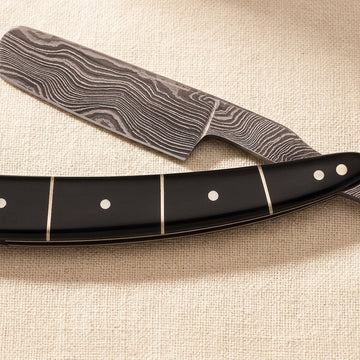
- Camellia Oil: A traditional choice in Japan for swords and tools, this plant-based oil is also food-safe. It is very light, non-gumming, and has a neutral scent. It is an excellent choice for all types of Damascus tools, from kitchen knives to Damascus straight razors.
- Specialist Inhibitor Oils & Waxes: For tools that do not contact food, such as workshop knives, hunting knives, or Damascus axes, you can use products with more advanced rust inhibitors. Products like 3-in-One with PTFE or dedicated gun oils provide excellent, long-lasting protection. For the ultimate barrier, consider Renaissance Wax. Developed by the British Museum, it creates a hard, dry, micro-crystalline layer that is impervious to moisture and fingerprints. It is applied sparingly and buffed to a clear finish.
Edge Maintenance: Stropping vs. Sharpening
A well-maintained edge is part of overall tool care. Regular use of a leather strop will keep your blade exceptionally sharp for much longer. Stropping doesn't remove steel; it realigns the microscopic 'teeth' at the very apex of the edge that get bent during use. This simple act, performed for a minute or two after a few uses, drastically reduces the need for full sharpening (which does remove steel). Regular stropping also means you are handling and inspecting your blade often, making you more likely to catch any issues early.
Protecting the Etch: What Not to Do
The visible contrast of a Damascus pattern is a surface treatment. While the layers go all the way through the steel, the visual 'pop' comes from the acid etch. Aggressive cleaning or polishing can remove this outer layer, causing the pattern to fade.
- Do not use coarse abrasives. This includes sandpaper, scouring pads (e.g., the green side of a kitchen sponge), or powered polishing wheels with coarse compounds.
- Do not use harsh chemical rust removers. Products designed to strip rust from car parts will also strip the etch from your blade.
- Do not scrub hard. Even with a soft cloth, excessive pressure can burnish the dark, etched layers, making them shinier and reducing the contrast.
If a pattern is accidentally faded, it can be restored by re-etching with ferric chloride. However, this is a complex process involving hazardous materials and is best left to an experienced knifemaker. It is far better to preserve the original finish.
Storage and Environmental Considerations
How you store your tool is just as important as how you clean it.
Humidity is the Enemy
Do not store your Damascus tools in a damp environment. A humid basement workshop, a drawer next to a steamy sink, or a damp outbuilding are all invitations for rust. If you live in a particularly damp area, consider storing your most valued tools in a container with a desiccant pack (silica gel) to absorb ambient moisture. Organise your tool trolley or chest to ensure good air circulation.
The Sheath Dilemma
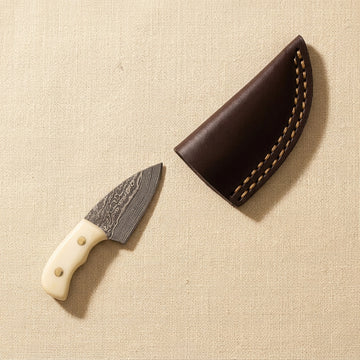
This is a critical point that catches many new owners out. Do not store your knife in its leather sheath for long periods. Leather is an organic material that absorbs moisture from the atmosphere. It also contains tanning acids. When you store a high-carbon blade in a leather sheath, you are encasing it in a damp, slightly acidic environment—the perfect recipe for rust. Use the sheath for carrying your knife, but when you get home, take the knife out, wipe it down, and store it separately from the sheath. Kydex or other synthetic sheaths do not absorb water, but they can trap it if the knife is put away wet. The rule is the same: always dry the knife and sheath thoroughly before storage.
A UK-Specific Note
The United Kingdom's climate is, for the most part, maritime and humid. Unlike drier continental or arid climates, the air in our workshops, homes, and sheds often carries significant moisture, especially during autumn and winter. This makes the preventative measures outlined above—regular oiling, dry storage, and avoiding leather for long-term storage—doubly important for UK-based owners. Furthermore, if you plan to carry your knife, be sure you are compliant with current legislation. We have prepared a summary of the relevant laws in our UK Knives & Axes legal guide.
What to Avoid: Common Damascus Pitfalls
A quick summary of the most common mistakes to avoid:
- Acidic Foods: Cutting lemons, tomatoes, or onions with a Damascus kitchen knife will instantly affect the surface, forcing a dark grey patina. Some people like this effect, but be aware it will happen. Always wash and dry immediately after cutting acidic ingredients to prevent a metallic taste transfer.
- The Dishwasher: Absolutely never. The combination of harsh detergents, high temperatures, and prolonged wetness will ruin a Damascus blade, strip its etch, destroy its wooden handle, and cause rapid, widespread rusting. Hand wash only.
- Leaving it in the Sink: A wet sink is one of the worst possible places for a high-carbon steel knife.
- Salt Water/Air: Chlorides are extremely corrosive to carbon steel. If your tool is exposed to a marine environment, it must be rinsed with fresh water, dried meticulously, and re-oiled as soon as possible.
Key takeaways
- High-carbon Damascus steel rusts easily; this is a characteristic, not a flaw.
- Wipe your blade clean and perfectly dry immediately after every use.
- Apply a thin coat of a suitable protective oil (food-safe mineral/camellia oil for kitchen use) regularly.
- Store your tool in a dry environment, and never for long periods inside its leather sheath.
- Distinguish between a stable, protective grey/blue patina and destructive orange/red rust.
- Address rust spots immediately with gentle methods to avoid damaging the etched pattern.
Owning a Damascus steel tool is an investment in both function and artistry. The small amount of care it requires is part of that ownership experience, connecting you to the tool and ensuring it remains a beautiful, functional heirloom for years to come. By following these guidelines, you can keep your blade in prime condition, ready for the next task.
Explore our full range of finished tools and blades in the Damascus Knives, Axes & Razors collection.
Related guides
- How to Sharpen Damascus Knives with Whetstones
- Mosaic Pins: A UK Guide to Selection and Installation
- D2 Tool Steel Knives: What UK Makers & Buyers Should Know
- Damascus Axes & Hatchets: A UK Buyer's Guide
- Skinner Knives: Blade Shapes, D2 vs Damascus & Field Care
Frequently asked questions
What oil should I use on a Damascus steel blade?
For kitchen knives or anything touching food, use food-safe mineral oil or camellia oil — both are non-toxic and neutral. For workshop knives, hunting knives and axes, inhibitor products such as 3-in-One with PTFE or dedicated gun oils give longer-lasting protection, and Renaissance Wax provides the ultimate hard, dry barrier. Apply a thin coat after cleaning and drying, and wipe off the excess.
How do I tell patina from rust on Damascus steel?
A patina is a stable grey, blue or black film that is smooth, non-flaky and actually protects the steel beneath — many owners deliberately cultivate one. Rust is bright orange to red-brown, rough, flaky and porous, and it actively pits and weakens the blade. Leave a healthy patina alone, but treat any orange spotting immediately before it develops into pitting.
Can I store a Damascus knife in its leather sheath?
Not for long periods. Leather absorbs atmospheric moisture and contains tanning acids, so a sheathed high-carbon blade sits in a damp, mildly acidic wrap — ideal conditions for rust, especially in the UK’s humid climate. Use the sheath for carrying, then remove the knife, wipe it down, oil it and store blade and sheath separately in a dry place.