Quick answer: Buy on torque and build quality, not headline RPM. Jewellers doing heavy stone setting and metal removal are best served by a quality flex shaft (Foredom-class) with a hammer handpiece; nail techs, dental techs and fine-work jewellers should choose a brushless micromotor — never a cheap brushed unit. A hobby rotary is fine only for occasional craft use.
Key difference: a flex shaft keeps huge torque at low speed for heavy setting and metal removal; a brushless micromotor gives a light, low-vibration handpiece for fine, sustained work.
| System | How it works | Best for | Limits |
|---|---|---|---|
| Hobby rotary | Self-contained handheld motor: tool, grip and chuck in one barrel | Occasional craft, model-making and light hobby jobs | Heavy in the hand, high vibration, torque collapses at low speed |
| Flex shaft | Motor hangs above or beside the bench and drives a flexible shaft to a detachable handpiece | Heavy stone setting and metal removal; takes hammer handpieces | Shaft adds stiffness; needs hanging space; sheath and inner shaft are wear items |
| Micromotor (brushless) | Small control box drives a light, pen-like handpiece through a thin cable | Fine, sustained work: finishing, nail work, dental lab trimming | Quality units cost more than an entry flex shaft; cheap brushed units overheat and lose torque |
Rotary power is the quiet engine of a working bench. Whether you're cutting a stone seat, smoothing an acrylic nail, or trimming a dental model, the same basic need shows up: a motor that spins a small cutting or polishing tool with enough control to be precise and enough grunt to not stall when you lean on it. The trouble is the market sells three very different machines — the hobby rotary, the flex shaft, and the micromotor — under a fog of overlapping marketing, and a tool that's perfect for one trade is a liability in another. This guide cuts through it. It's written for the three UK trades that lean on rotary tools hardest, and it's built around the one spec that actually decides whether you'll be happy: torque, not headline RPM.
What "rotary power" actually means at the bench
Strip away the branding and every rotary system is three parts: a motor (the power source), a handpiece (what you hold), and a chuck or collet (what grips the tool). The differences between systems come down to where the motor sits, how power reaches the handpiece, and how much torque survives the journey. Get those three right for your trade and the work flows; get them wrong and you'll spend your days fighting a tool that stalls, vibrates, or runs your hand ragged.
The three families, honestly compared
Hobby rotary (the Dremel type)
A self-contained handheld motor — the tool, the grip and the chuck all in one barrel. Cheap (£25–£70), widely available, and genuinely useful for occasional craft work, model-making, and light hobby jobs.
Where it falls down for trade use: it's heavy in the hand because you're holding the whole motor, the vibration is high, and the torque collapses at the low speeds where precise work happens. Push a bur into metal at low RPM and a hobby rotary bogs down or stalls. Fine for the hobbyist; frustrating as a daily professional tool. If you're doing this for a living, treat it as a stopgap, not a destination.
Flex shaft (the hanging-motor workhorse)
The classic jeweller's setup: a powerful motor hangs above or beside the bench, driving a flexible shaft that ends in a detachable handpiece. Because the heavy motor isn't in your hand, the handpiece is light and the torque is enormous — a good flex shaft (Foredom-style) holds its cutting power right down to a crawl, which is exactly what stone setting and heavy material removal demand.
Strengths: huge low-speed torque, interchangeable handpieces (general, quick-change, hammer handpiece for setting), serviceable for decades. The professional jeweller's default for good reason.
Limits: the shaft itself adds a slight stiffness and "memory" to the handpiece, the motor needs hanging space, and the whole thing is a bit of a fixture rather than a portable unit. The sheath and inner shaft are wear items that need occasional greasing and replacement.
Micromotor (the brushless newcomer)
A small control box drives a lightweight handpiece through a thin cable — no heavy hanging motor, no flexible shaft. Modern brushless micromotors deliver smooth, vibration-free power and hold torque well across the range, with a very light, pen-like handpiece that's kind to the hand over long sessions.
Strengths: minimal vibration, light handpiece, compact footprint, high top speed (often 35,000–50,000 RPM), instant forward/reverse. Brilliant for fine, sustained work.
Limits: a quality brushless unit costs more than an entry flex shaft (£90–£300+), and the very cheapest micromotors are brushed units that overheat and lose torque under load — a false economy. For raw low-speed grunt on heavy metal removal, a big flex shaft still edges it; for everything else, the micromotor is closing the gap fast.
Torque vs RPM: the spec that actually matters
Every cheap rotary tool shouts about its top RPM. Almost none of them tell you about torque — and torque is what you actually feel. RPM is how fast the tool spins with nothing touching it; torque is how well it keeps spinning when you press a bur into metal. A tool with a huge headline RPM but feeble torque stalls the moment it meets resistance, which is precisely when you need it most.
This matters because most real bench work happens at low speed. As we explain in our guide to jewellers' burs, a hart bur cutting a stone seat wants 5,000–10,000 RPM with steady torque, not a screaming 40,000 RPM that overheats the bur and burns the metal. A machine that only delivers power at the top of its range is useless for the work that pays. When you compare units, look past the big RPM number and find the torque figure (or, failing that, read reviews from people doing your kind of work). Smooth, sustained low-speed power beats a high top speed every time.
Handpieces and chucks: the bit everyone forgets
The handpiece decides what tools you can run. Three things to check:
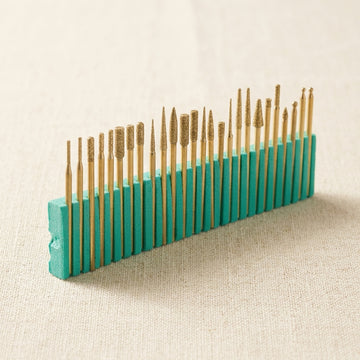
- Collet/chuck size: the jewellery and dental standard is a 3/32" (2.35mm) shank, which fits the vast majority of burs, wheels and mandrels. Nail bits are usually the same 3/32" shank. A keyless quick-change handpiece saves enormous time if you swap tools constantly.
- Concentricity (run-out): a cheap handpiece lets the tool wobble — visible as chatter and a rough cut. A good one holds the bur dead true. This is where the money goes on quality units.
- Specialist handpieces: flex shafts take hammer handpieces for stone setting, quick-change handpieces for fast bur swaps, and reciprocating handpieces for filing. Micromotors have a narrower handpiece range but cover the essentials.
By trade: what each profession actually needs
Jewellers
If you do serious stone setting and heavy metal removal, a flex shaft's low-speed torque is hard to beat, and the hammer handpiece is a setting tool in its own right. If your work is finer — finishing, polishing with compounds, detail work — a brushless micromotor's light handpiece and low vibration may suit you better. Many established benches end up with both: a flex shaft for the heavy lifting, a micromotor for the fine finishing.
Nail technicians
An "e-file" or "nail drill" is simply a micromotor tuned for the nail trade — and a brushless one is worth every penny. Acrylic and gel work needs smooth, consistent power and forward/reverse, and brushed motors that bog down under pressure cause heat spikes that clients feel. Pair it with the right bits — our guide to nail drill bits covers diamond, carbide and sapphire — and check the bit shank matches your handpiece (3/32" is standard).
Dental labs
Dental technicians live on micromotors for model trimming, acrylic adjustment and finishing, where the light handpiece and high speed earn their keep. Bur choice is everything here — see our dental lab burs guide for carbide vs diamond vs tungsten — and torque under load matters when you're cutting hard acrylics and alloys.
What to buy first
- Occasional / hobby use: a hobby rotary is fine. Don't overspend.
- Jeweller doing heavy setting and removal: a quality flex shaft (Foredom-class) with a general and a hammer handpiece.
- Nail tech, dental tech, or jeweller doing fine work: a brushless micromotor — never the cheapest brushed unit, which will overheat and disappoint within months.
The rule across all three trades: buy on torque and build quality, not headline RPM, and never buy the rock-bottom option in a brushed motor. A good rotary tool is a ten-year purchase.
Looking after it
A flex shaft's inner shaft needs occasional greasing and the sheath replacing when it wears — a five-minute job that doubles the tool's life. Micromotor handpieces have bearings that eventually need servicing; brushless control boxes are largely maintenance-free. Whatever you run, keep the chuck clean (metal dust and polishing compound build up and ruin concentricity), and never force a bent or chipped tool — it stresses the bearings and ruins your work.
Dispatch from UK stock
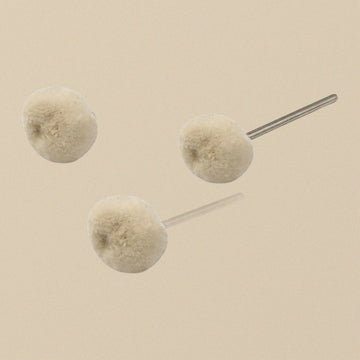
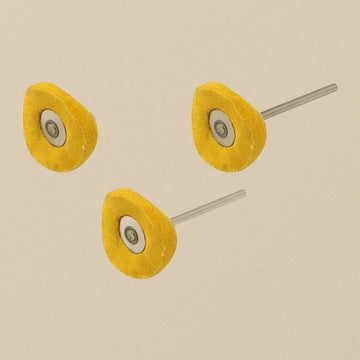
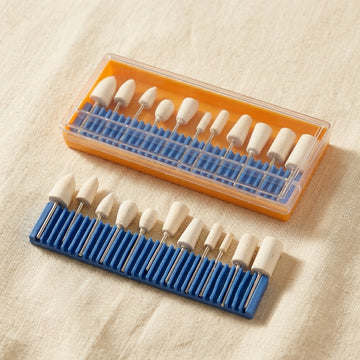
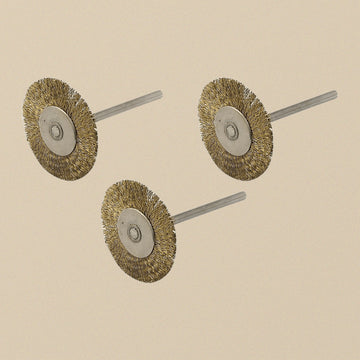
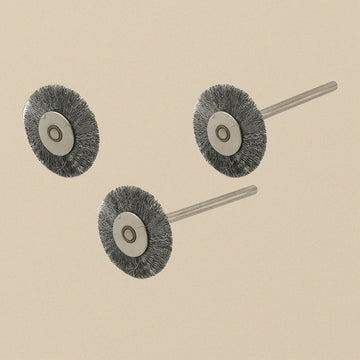
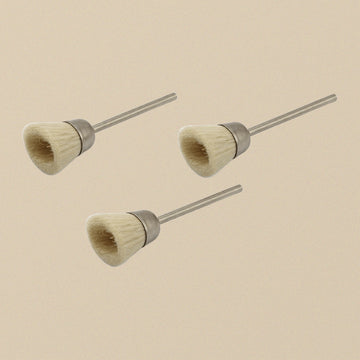
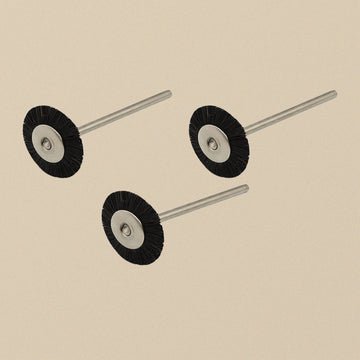
Toolsmith does not currently sell flex shafts, micromotors or rotary handpieces; we stock rotary accessories such as wire and bristle brushes, cotton buffs and polishing wheels. Everything we sell ships from UK stock, either packed by us or through Amazon's UK fulfilment centres. We aim to dispatch orders placed before 2pm UK time, Monday to Friday, the same working day; later orders go out from the next working day. Most UK orders arrive 2–3 working days after dispatch, and UK delivery is free.
Related guides
- Jewellers' Burs Explained: Hart, Bud, Cup, Ball & Wheel
- Polishing Compounds Demystified
- Nail Drill Bits Explained: A Guide for UK Nail Techs
- Dental Lab Burs: Carbide, Diamond & Tungsten
- Pedicure Foot Files, Rasps & Callus Removers
- Rotary Polishing Wheels, Buffs & Brushes: A UK Bench Guide
- Shop all Jewellery Making Tools
Frequently asked questions
Which should I buy — a flex shaft or a micromotor?
For heavy stone setting and metal removal, a flex shaft's enormous low-speed torque and hammer handpiece are hard to beat. For fine, sustained work — finishing, nail work, dental lab trimming — a brushless micromotor's light handpiece and low vibration win. Many established benches run both, one for each kind of job.
Why does torque matter more than RPM on a rotary tool?
RPM is how fast the tool spins with nothing touching it; torque is whether it keeps spinning when you press a bur into material. Most real bench work happens at low speed — a hart bur cutting a stone seat wants 5,000–10,000 RPM with steady power — so a high-RPM, low-torque machine stalls exactly when you need it most.
What shank size do jewellery, nail and dental burs use?
The jewellery and dental standard is a 3/32-inch (2.35mm) shank, which fits the vast majority of burs, wheels and mandrels, and nail bits are usually the same size. Check the handpiece collet matches, consider a keyless quick-change handpiece if you swap tools constantly, and prize concentricity — a wobbling bur means chatter and rough cuts.